Choosing between Swiss machining and conventional CNC turning affects the cost, accuracy and lead time of small precision parts. Both processes cut rotating bar stock, but they support the workpiece differently and perform best under different conditions.
Swiss machining often suits long, slender and detailed components, while CNC turning is usually more economical for simpler or larger parts. The right choice also depends on tolerance, material, quantity and secondary operations.
This guide compares Swiss machining vs CNC turning and explains when each method is the better option for small precision parts.
What Is Swiss Machining?
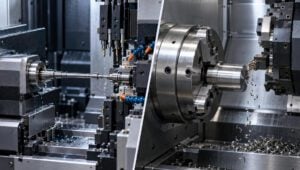
Swiss machining, also called Swiss-type or sliding-headstock turning, feeds bar stock through a guide bushing while the tool cuts close to the point of support.
This arrangement reduces deflection and vibration on small-diameter parts with high length-to-diameter ratios. Modern Swiss machines can combine turning, drilling, milling, threading and back-working in one automated cycle.
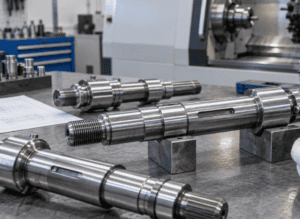
Typical Swiss-machined parts include medical pins, bone screws, electrical contacts, miniature shafts, valve components, watch parts and precision fasteners.
What Is Conventional CNC Turning?
Conventional CNC turning uses a fixed headstock and a chuck or collet to rotate the workpiece. Cutting tools move along the outside or face of the material to create cylindrical features such as diameters, shoulders, grooves, tapers and threads.
CNC lathes range from two-axis machines to turning centers with live tooling and sub-spindles, which can produce flats, slots and cross holes without a separate milling setup.
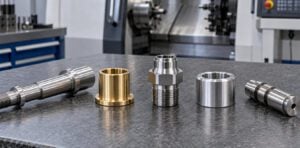
Standard CNC turning is widely used for bushings, fittings, spacers, housings and shafts. It handles a broader diameter range and is normally easier to set up for prototypes and small batches.
Swiss Machining vs CNC Turning: Quick Comparison
| ഘടകം | സ്വിസ് മെഷീനിംഗ് | പരമ്പരാഗത CNC ടേണിംഗ് |
| മികച്ച ഭാഗ തരം | Small, slender and feature-rich parts | General rotational parts and larger diameters |
| Work support | Guide bushing supports material near the tool | Chuck or collet supports material at the spindle |
| സാധാരണ ഉൽപ്പാദന അളവ് | ഇടത്തരം മുതൽ ഉയർന്ന വോളിയം വരെ | ഉയർന്ന വോളിയത്തിലേക്ക് പ്രോട്ടോടൈപ്പ് ചെയ്യുക |
| Long-part stability | മികച്ചത് | May require a tailstock or steady rest |
| സങ്കീർണ്ണമായ സവിശേഷതകൾ | Multiple operations in one cycle | Live tooling may be required |
| സജ്ജീകരണ സങ്കീർണ്ണത | ഉന്നതനാണ് | സാധാരണയായി താഴെ |
| Bar stock requirement | Tight straightness and diameter consistency | More tolerant of standard stock |
| യൂണിറ്റ് ചെലവ് | Competitive at higher quantities | Often lower for simple or low-volume parts |
Neither process is universally better. Swiss machining gains its advantage when its guide-bushing support and multi-operation capability solve a real manufacturing problem. If the part does not need those benefits, conventional turning is often more practical.
Accuracy and Tolerance Capability
Both processes can produce precision components. Achievable tolerances depend on the machine, tooling, material, geometry and inspection method.
Swiss machining provides strong support for slender workpieces, reducing the bending that can occur when cutting forces act on small diameters. This makes it easier to maintain diameter, concentricity and surface quality along long features. The process is also well suited to parts containing several tightly related features because they can be completed in one machine cycle.
Conventional turning can hold tight tolerances on short, rigid parts without the added setup demands of a Swiss lathe. Very tight bearing diameters or finishes may still require grinding.
Designers should specify tight tolerances only on functional features. Applying the same narrow tolerance to every diameter increases inspection time, tool compensation and scrap risk.
Part Diameter and Length-to-Diameter Ratio
A conventional lathe works well when the component is short and rigid. As unsupported length increases and diameter decreases, deflection and vibration become more likely.
The Swiss guide bushing keeps the cutting point close to support, making it effective for long pins, miniature shafts and needles that might otherwise need a tailstock or multiple passes.
However, the guide bushing requires suitable bar stock. Material diameter, straightness and surface condition must be controlled so the stock can slide accurately through the bushing. Ground bar may be necessary, adding material cost.
Complex Features and One-Setup Machining
Small precision parts are rarely limited to simple outside diameters. They may include cross holes, flats, slots, keyways, internal threads, external threads and features on both ends.
A Swiss lathe can use several tools and transfer the part to a sub-spindle. Completing features in one cycle reduces handling, tolerance accumulation and production time.
Advanced turning centers offer similar functions through live tooling and sub-spindles. At lower quantities, a turn-mill center may balance setup cost and capability effectively.
ഉൽപാദന അളവും സൈക്കിൾ സമയവും
Swiss machining usually requires more programming, tool preparation and setup time. It becomes economical when those initial costs can be distributed across a larger order. Continuous bar feeding, automatic part transfer and unattended production can then deliver a low cost per part.
Conventional CNC turning is often more suitable for prototypes, engineering validation and small batches. The setup is generally faster, and the process can accommodate design changes without disrupting a complex tool arrangement.
A complex part requiring repeated fixturing may justify Swiss machining at moderate volume, while a simple high-volume spacer may remain cheaper on a conventional lathe. Compare total cycle time and secondary operations, not turning time alone.
മെറ്റീരിയൽ പരിഗണനകൾ
Both methods machine stainless steel, carbon steel, brass, copper, aluminum, titanium and engineering plastics. Material behavior still affects process selection.
Stainless steel and titanium generate heat and tool wear, making support and chip control important. Plastics may deform under clamping pressure or heat.
For Swiss machining, bar consistency is especially important because the material passes through the guide bushing. Poor straightness, inconsistent diameter or rough surfaces can affect feeding and accuracy. When requesting a quote, specify the exact alloy and condition rather than using a generic material description.
Surface Finish and Burr Control
Stable cutting normally produces a more consistent surface finish. Swiss machining can reduce chatter on slender sections, helping create clean bearing surfaces and sealing diameters. Conventional turning can provide an equally good finish on short, rigid parts when tooling and cutting conditions are correct.
Miniature cross holes, slots and threads can create difficult burrs. Drawings should identify critical edge conditions and permitted edge break.
Do not specify an extremely low Ra value across the whole part unless it is functional. Restrict fine finishes to bearing fits, seals, sliding surfaces and other critical areas. Grinding, polishing, passivation or coating should be included in the RFQ when required.
Cost Drivers for Each Process
Swiss machining may have a higher initial cost but a lower unit cost when one automated cycle replaces several operations.
Conventional turning is frequently the lower-cost choice for simple parts, wider diameters or small orders.
The following design choices can reduce cost for either process:
- Use standard bar diameters and readily available material grades.
- Avoid unnecessarily tight tolerances and surface finishes.
- Use standard thread forms, drill sizes and corner radii.
- Provide tool access to cross holes, grooves and internal features.
- Reduce very deep holes and extreme diameter transitions.
- Identify which dimensions are truly critical to assembly.
- Combine prototype and expected production quantities in the quote request.
When Should You Choose Swiss Machining?
Swiss machining is usually the stronger option when the part:
- Has a small diameter and high length-to-diameter ratio.
- Requires tight tolerances along a slender section.
- Contains several turned and milled features.
- Needs front and back operations in one automated cycle.
- Will be produced in medium or high volumes.
- Requires consistent repeatability across a large batch.
- Would otherwise need multiple setups or machines.
Examples include miniature medical components, long precision pins, electrical contacts and complex small shafts.
When Should You Choose CNC Turning?
Conventional CNC turning is often preferable when the part:
- Is short, rigid or larger in diameter.
- Has mostly straightforward rotational geometry.
- Is needed as a prototype or small batch.
- May change during design validation.
- Does not require many cross holes or milled features.
- Uses stock that is unsuitable for a guide bushing.
- Can be completed economically in one or two conventional setups.
Examples include bushings, spacers, simple fittings, rollers and short shafts.
നിങ്ങളുടെ RFQ-ൽ എന്താണ് ഉൾപ്പെടുത്തേണ്ടത്
Send enough information for the manufacturer to evaluate both process routes. A complete RFQ should include:
- A STEP or other 3D CAD model.
- A 2D drawing with dimensions, tolerances and GD&T.
- Material grade and condition.
- Surface finish and edge requirements.
- Heat treatment, plating or passivation requirements.
- Prototype and production quantities.
- Inspection reports or material certificates required.
- Annual demand and expected order frequency.
- Assembly function for critical fits and interfaces.
Share annual volume even when the first order is small. A supplier may recommend conventional turning for prototypes and Swiss machining after validation.
Get the Right Process for Your Precision Parts
The choice between Swiss machining and CNC turning should be based on geometry, tolerance, material and production volume, not on part diameter alone. Swiss machining excels at slender, complex and repeat-production components. Conventional CNC turning offers flexibility and lower setup costs for simpler designs and smaller orders.
Send EASIAHOME your CAD model, technical drawing, material requirement and quantities. Our engineering team can review the design, compare suitable manufacturing routes and recommend the most practical process for your small precision parts before preparing a quote.
പതിവ് ചോദ്യങ്ങൾ
Q: Is Swiss machining more accurate than CNC turning?
A:Not in every situation. Swiss machining is more stable for long, small-diameter parts, while conventional CNC turning can be equally accurate for short and rigid components.
Q: Is Swiss machining always more expensive?
A: Swiss machining generally has higher setup costs, but its automated one-cycle production can lower the unit price for complex parts or larger quantities.
Q: Can a Swiss machine produce milled features?
A: Yes. Modern Swiss-type lathes commonly use live tooling to produce flats, slots, cross holes and other non-rotational features.
Q:What parts are best suited to Swiss machining?
A: Typical candidates include pins, miniature shafts, medical screws, electrical contacts and other slender precision components with multiple features.
Q: Can conventional CNC turning be used for small parts?
A: Yes. Conventional turning is often the most economical option for small parts that are short, rigid, relatively simple or required in low quantities.