การเลือกวัสดุเป็นหนึ่งในเหตุผลสำคัญที่ทำให้ใบเสนอราคาการตัดเฉือนด้วยเครื่อง CNC สองฉบับแตกต่างกันมาก แม้ว่ารูปทรงของชิ้นส่วนจะเกือบเหมือนกันก็ตาม ผู้ซื้อส่วนใหญ่มักเปรียบเทียบราคาของอลูมิเนียม สแตนเลส ทองเหลือง ไทเทเนียม หรือพลาสติกวิศวกรรม แต่ต้นทุนวัตถุดิบเป็นเพียงส่วนแรกของราคาทั้งหมดเท่านั้น วัสดุที่เลือกยังส่งผลต่อความเร็วในการตัด เวลาในการตัดเฉือน การสึกหรอของเครื่องมือ ความเสี่ยงของเศษวัสดุ การตกแต่งพื้นผิว งานตรวจสอบ และกำหนดการส่งมอบสำหรับบริการตัดเฉือนด้วยเครื่อง CNCด้วย
สำหรับการขอใบเสนอราคาการผลิตชิ้นส่วนด้วยเครื่อง CNC ในทางปฏิบัติ คำถามไม่ใช่แค่ “วัสดุไหนถูกที่สุด?” คำถามที่ดีกว่าคือ: วัสดุใดที่ตรงตามข้อกำหนดด้านการใช้งานด้วยต้นทุนการผลิตรวมที่ต่ำที่สุด? ชิ้นส่วนอะลูมิเนียม 6061 อาจมีราคาถูกกว่าสแตนเลสมากหากความแข็งแรงและการทนต่อการกัดกร่อนอยู่ในระดับปานกลาง ชิ้นส่วนสแตนเลส 316 อาจมีราคาสูงกว่า แต่สามารถป้องกันความเสียหายในสภาพแวดล้อมทางทะเล การแพทย์ หรือทางเคมีได้ พลาสติกประสิทธิภาพสูง เช่น PEEK อาจมีราคาสูงต่อกิโลกรัม แต่สามารถแก้ปัญหาเรื่องน้ำหนัก ฉนวน หรือความทนทานต่อสารเคมีที่โลหะทำไม่ได้
คู่มือนี้อธิบายว่าการเลือกวัสดุมีผลต่อต้นทุนการผลิตด้วยเครื่อง CNC อย่างไร และคุณควรให้ข้อมูลอะไรบ้างก่อนขอใบเสนอราคา
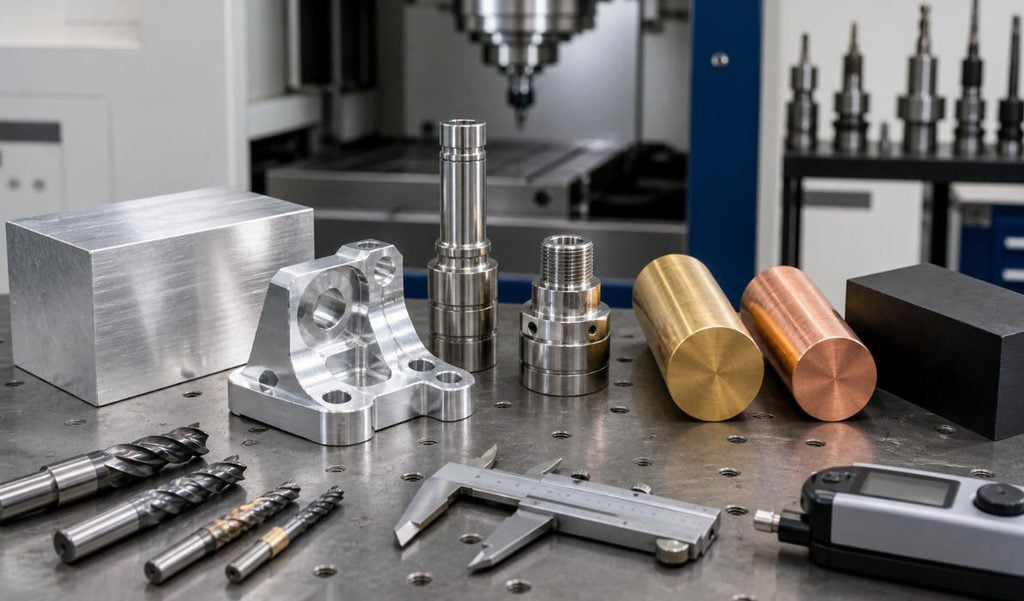
คำตอบโดยสรุป: การเลือกวัสดุส่งผลต่อต้นทุนการผลิตด้วยเครื่อง CNC อย่างไร
วัสดุมีผลต่อต้นทุนการผลิตด้วยเครื่อง CNC ในหลายแง่มุมที่เกี่ยวโยงกัน โดยปกติแล้วราคาสุดท้ายจะถูกกำหนดโดยโครงสร้างต้นทุนนี้:
ต้นทุนรวมของการใช้เครื่องจักร CNC = ต้นทุนวัสดุ + ต้นทุนการตั้งค่า + เวลาในการตัดเฉือน + การสึกหรอของเครื่องมือ + ความเสี่ยงจากของเสีย + การปรับสภาพพื้นผิว + ต้นทุนการตรวจสอบ
วัสดุที่มีราคาซื้อต่ำอาจกลายเป็นต้นทุนสูงได้หากการขึ้นรูปช้าลง ทำให้เครื่องมือเสียหาย เกิดรอยขรุขระ หรือต้องมีการตรวจสอบเป็นพิเศษ ในทางกลับกัน วัสดุที่มีราคาซื้อสูงกว่าอาจคุ้มค่าหากการขึ้นรูปสะอาดและลดขั้นตอนการผลิตเพิ่มเติม นี่คือเหตุผลที่ซัพพลายเออร์ CNC ที่มีประสบการณ์จะตรวจสอบทั้งประสิทธิภาพของวัสดุและความสามารถในการผลิตก่อนที่จะยืนยันราคาเสนอ
ราคาวัตถุดิบเป็นเพียงต้นทุนเบื้องต้นเท่านั้น
ราคาวัตถุดิบมีความสำคัญ โดยเฉพาะอย่างยิ่งสำหรับชิ้นส่วนขนาดใหญ่หรือการผลิตในปริมาณมาก อลูมิเนียม 6061 มักมีราคาประหยัดและหาได้ง่าย อลูมิเนียม 7075 มีราคาสูงกว่า 6061 เนื่องจากมีความแข็งแรงสูงกว่า เหล็กกล้าไร้สนิม 304 และ 316 โดยทั่วไปมีราคาซื้อและแปรรูปสูงกว่าอลูมิเนียม โดย 316 มักมีราคาสูงกว่า 304 เนื่องจากมีความทนทานต่อการกัดกร่อนที่ดีกว่า ทองเหลืองและทองแดงอาจมีราคาสูง ในขณะที่ไทเทเนียม อินโคเนล และ PEEK มักเป็นวัสดุระดับพรีเมียม สำหรับภาพรวมที่กว้างขึ้น โปรดดูคู่มือวัสดุสำหรับการแปรรูปด้วยเครื่อง CNC ของ เรา
อย่างไรก็ตาม ราคาวัตถุดิบไม่ได้บอกเรื่องราวทั้งหมด สำหรับชิ้นส่วนขนาดเล็กที่มีความแม่นยำสูง เวลาในการกลึงและการตรวจสอบอาจมีความสำคัญมากกว่าน้ำหนักของวัสดุ สำหรับชิ้นส่วนขนาดใหญ่ที่มีการกำจัดวัสดุจำนวนมาก ขนาดของชิ้นงาน วัสดุเหลือทิ้ง และผลผลิตจะมีความสำคัญมากขึ้น สำหรับวัสดุที่มีมูลค่าสูง ต้นทุนของเศษวัสดุก็อาจกลายเป็นความเสี่ยงที่สำคัญเช่นกัน
ความสามารถในการขึ้นรูปและการตัด
ความสามารถในการขึ้นรูปด้วยเครื่องจักรเป็นหนึ่งในปัจจัยที่ส่งผลต่อต้นทุนโดยตรงมากที่สุดในการผลิตชิ้นงานด้วยเครื่อง CNC วัสดุที่ตัดง่ายจะช่วยให้สามารถใช้ความเร็วรอบแกนหมุนที่สูงขึ้น อัตราการป้อนที่สูงขึ้น การระบายเศษวัสดุที่เสถียร และเวลาในการทำงานที่สั้นลง อลูมิเนียมเป็นตัวอย่างที่ดี โลหะผสมอลูมิเนียมหลายชนิดสามารถขึ้นรูปได้อย่างรวดเร็ว ซึ่งทำให้เป็นที่น่าสนใจสำหรับชิ้นงานต้นแบบ ตัวเรือน ตัวยึด อุปกรณ์จับยึด และชิ้นส่วนการผลิตที่มีช่องขนาดใหญ่หรือคุณลักษณะการกัดที่ซับซ้อน
เหล็กกล้าไร้สนิม ไทเทเนียม เหล็กกล้าชุบแข็ง และโลหะผสมนิกเกิล มีความต้องการสูงกว่า อาจต้องใช้ความเร็วในการตัดที่ช้าลง การจับยึดชิ้นงานที่แข็งแรงกว่า สารหล่อเย็นมากขึ้น และกลยุทธ์การตัดเฉือนที่ระมัดระวังมากขึ้น เหล็กกล้าไร้สนิมอาจแข็งตัวได้หากเครื่องมือเสียดสีแทนที่จะตัด ไทเทเนียมจะกักเก็บความร้อนไว้ใกล้คมตัด ซึ่งอาจทำให้อายุการใช้งานของเครื่องมือสั้นลง ปัจจัยเหล่านี้ทำให้เวลาการทำงานของเครื่องจักรเพิ่มขึ้น และเวลาการทำงานของเครื่องจักรเป็นส่วนที่ใหญ่ที่สุดส่วนหนึ่งในใบเสนอราคา CNC
ความซับซ้อนของการออกแบบยังสัมพันธ์กับการเลือกใช้วัสดุด้วย ผนังบาง ช่องลึก รัศมีภายในเล็ก รูลึก และความคลาดเคลื่อนที่แคบ ล้วนยากต่อการออกแบบ แต่ก็จะมีราคาแพงขึ้นเมื่อวัสดุมีความแข็ง ทนทาน ขัดถูง่าย หรือไวต่อความร้อน
การสึกหรอของเครื่องมือและต้นทุนเครื่องมือ
การสึกหรอของเครื่องมือเป็นต้นทุนแฝงอีกอย่างหนึ่ง เครื่องมือตัดเป็นวัสดุสิ้นเปลือง และวัสดุบางชนิดทำให้เครื่องมือสึกหรอเร็วกว่าวัสดุอื่นมาก อลูมิเนียมมักทำให้เครื่องมือสึกหรอน้อยกว่าเมื่อใช้รูปทรงของเครื่องมือที่ถูกต้อง เหล็กกล้าไร้สนิมทำให้เครื่องมือสึกหรอมากขึ้นเพราะมีความแข็งกว่าและสร้างความร้อนมากกว่า ไทเทเนียมและอินโคเนลอาจต้องใช้เครื่องมือคาร์ไบด์แบบพิเศษ การเคลือบผิว การควบคุมสารหล่อเย็นอย่างระมัดระวัง และช่วงเวลาการเปลี่ยนเครื่องมือที่สั้นลง
การสึกหรอของเครื่องมือไม่ได้หมายถึงแค่การซื้อเครื่องมือตัดใหม่เท่านั้น แต่ยังส่งผลต่อคุณภาพผิวงาน ความแม่นยำของขนาด การเกิดครีบ และความเสถียรในการผลิตด้วย หากเครื่องมือสูญเสียความคมระหว่างการผลิต ผู้ผลิตอาจต้องหยุดเครื่องจักร เปลี่ยนเครื่องมือ ปรับค่าชดเชยใหม่ และตรวจสอบชิ้นส่วนเพิ่มเติม สำหรับชิ้นส่วนที่มีความคลาดเคลื่อนต่ำ การทำเช่นนี้จะเพิ่มทั้งเวลาและความเสี่ยง
อัตราของเสียและความเสี่ยงในการทำงานซ้ำ
ทุกโครงการผลิตชิ้นส่วนด้วยเครื่องจักรย่อมมีความเสี่ยงที่จะเกิดของเสียหรือต้องแก้ไขงานซ้ำ การเลือกใช้วัสดุจะส่งผลต่อต้นทุนของความเสี่ยงนั้น หากชิ้นงานต้นแบบที่ทำจากอะลูมิเนียม 6061 เกิดการชำรุดเสียหาย ต้นทุนของวัสดุอาจอยู่ในระดับที่จัดการได้ แต่หากชิ้นส่วนที่ทำจากไทเทเนียม สแตนเลส 316 หรือ PEEK เกิดการชำรุดเสียหายในช่วงท้ายของกระบวนการ ต้นทุนอาจสูงกว่ามาก เนื่องจากทั้งวัตถุดิบและเวลาในการผลิตมีราคาแพง
ความเสี่ยงที่จะเกิดของเสียจะเพิ่มขึ้นเมื่อชิ้นส่วนมีผนังบาง มีส่วนที่ไม่รองรับยาว มีโพรงลึก มีเกลียวละเอียด มีข้อกำหนดด้านความสวยงามสูง หรือมีค่าความคลาดเคลื่อนทางเรขาคณิตที่แคบมาก นอกจากนี้ วัสดุบางชนิดยังมีการเปลี่ยนแปลงรูปทรงหลังจากการตัดเฉือนเนื่องจากความเครียดตกค้างหรือความร้อน สำหรับชิ้นส่วนเหล่านี้การตรวจสอบด้วย DFM ก่อนการผลิตสามารถลดของเสียได้โดยการปรับความหนาของผนัง รัศมีมุม ค่าความคลาดเคลื่อน การเข้าถึงเครื่องมือ หรือขนาดของวัสดุตั้งต้น
ต้นทุนการตกแต่งพื้นผิวจำแนกตามวัสดุ
การปรับสภาพพื้นผิวอาจเป็นส่วนสำคัญของต้นทุนการผลิตด้วยเครื่อง CNC ชิ้นส่วนอะลูมิเนียมมักผ่านกระบวนการชุบอะโนไดซ์ ชุบอะโนไดซ์แข็ง พ่นทราย เคลือบผง หรือแปลงสภาพทางเคมี การเคลือบผิวเหล่านี้สามารถปรับปรุงความต้านทานการกัดกร่อน ความต้านทานการสึกหรอ รูปลักษณ์ หรือคุณสมบัติทางไฟฟ้าได้ แต่จะเพิ่มระยะเวลาในการผลิตและอาจส่งผลต่อขนาดได้
ชิ้นส่วนสแตนเลสมักจะผ่านกระบวนการพาสซิเวชั่น ขัดเงา ขัดด้าน หรือขัดเงาด้วยไฟฟ้า เหล็กกล้าคาร์บอนอาจต้องผ่านกระบวนการออกไซด์ดำ ชุบสังกะสี ชุบนิกเกิล การอบชุบความร้อน หรือการเคลือบป้องกัน ทองเหลืองและทองแดงอาจต้องผ่านกระบวนการขัดเงา ชุบนิกเกิล ชุบดีบุก หรือการเคลือบป้องกันการหมอง พลาสติกโดยทั่วไปไม่จำเป็นต้องผ่านกระบวนการตกแต่งผิวโลหะ แต่Hอาจต้องผ่านกระบวนการลบคม ทำความสะอาด หรือการตกแต่งอย่างระมัดระวัง
เพื่อให้ได้ราคาที่แม่นยำ ควรระบุรายละเอียดการตกแต่งพื้นผิวตั้งแต่เนิ่นๆ หากมีการเพิ่มการตกแต่งพื้นผิวหลังจากที่ได้เสนอราคางานกลึงไปแล้ว ผู้จำหน่ายอาจจำเป็นต้องปรับค่าความคลาดเคลื่อน ข้อกำหนดในการปิดบัง การตรวจสอบ บรรจุภัณฑ์ และเวลาในการจัดส่ง
ค่าใช้จ่ายในการตรวจสอบและรับรอง
การเลือกใช้วัสดุอาจส่งผลต่อต้นทุนการตรวจสอบได้เช่นกัน ชิ้นส่วนที่ใช้ในอุตสาหกรรมการบินและอวกาศ การแพทย์ การแปรรูปอาหาร การเดินเรือ หรือการใช้งานที่มีแรงดันสูง อาจต้องมีใบรับรองวัสดุ การตรวจสอบย้อนกลับ การตรวจสอบความแข็ง การวัดความหยาบของพื้นผิว การตรวจสอบความหนาของสารเคลือบ หรือรายงาน CMM ชิ้นส่วนสแตนเลสและไทเทเนียมที่มีความคลาดเคลื่อนต่ำอาจต้องมีการตรวจสอบบ่อยขึ้น เนื่องจากความสึกหรอของเครื่องมือและความร้อนอาจส่งผลต่อขนาด
การตรวจสอบไม่ใช่เพียงขั้นตอนสุดท้าย สำหรับวัสดุที่ยากต่อการตรวจสอบหรือชิ้นส่วนที่สำคัญ ผู้ผลิตอาจตรวจสอบขนาดในระหว่างกระบวนการผลิตเพื่อหลีกเลี่ยงการผลิตชิ้นส่วนที่ไม่ได้มาตรฐานทั้งล็อต ซึ่งจะช่วยปรับปรุงคุณภาพแต่ก็ใช้เวลาเพิ่มขึ้น หากคุณต้องการการตรวจสอบหรือการรับรองพิเศษ โปรดระบุไว้ในเอกสารขอใบเสนอราคา (RFQ) แทนที่จะเพิ่มหลังจากจัดทำใบเสนอราคาเสร็จแล้ว
การเปรียบเทียบต้นทุนของวัสดุ CNC ทั่วไป
| วัสดุ | ต้นทุนวัตถุดิบ | ความเร็วของเครื่องจักร | การสึกหรอของเครื่องมือ | ระดับต้นทุนโดยทั่วไป |
|---|---|---|---|---|
| อลูมิเนียม 6061 | กลาง | รวดเร็ว | ต่ำ | ต่ำ |
| อลูมิเนียม 7075 | กลางสูง | เร็วถึงปานกลาง | ต่ำถึงปานกลาง | กลาง |
| สแตนเลส 304 | กลาง | ช้า | กลางสูง | กลางสูง |
| สแตนเลส 316 | จุดสูง | ช้า | จุดสูง | จุดสูง |
| ทองเหลือง | จุดสูง | รวดเร็ว | ต่ำ | กลาง |
| ทองแดง | จุดสูง | กลาง | กลาง | กลางสูง |
| ไทเทเนียม | สูงมาก | ช้ามาก | จุดสูง | สูงมาก |
| PEEK | สูงมาก | กลาง | กลาง | จุดสูง |
ตารางนี้เป็นเพียงแนวทางทั่วไป ต้นทุนการผลิตชิ้นส่วนด้วยเครื่อง CNC ที่แท้จริงขึ้นอยู่กับรูปทรงเรขาคณิต ความคลาดเคลื่อน ปริมาณการสั่งซื้อ กลยุทธ์การตั้งค่า การตกแต่ง และข้อกำหนดด้านคุณภาพ อย่างไรก็ตาม ตารางนี้แสดงให้เห็นว่าทำไมอลูมิเนียม 6061 จึงมักถูกเลือกใช้สำหรับชิ้นส่วนที่ต้องการต้นทุนต่ำ ในขณะที่สแตนเลส 316 ไทเทเนียม และ PEEK มักถูกเลือกใช้สำหรับข้อกำหนดด้านประสิทธิภาพที่สูงกว่า
วิธีลดต้นทุนการผลิตด้วยเครื่อง CNC ผ่านการเลือกใช้วัสดุ
วิธีที่ง่ายที่สุดในการลดต้นทุนการผลิตด้วยเครื่อง CNC คือการหลีกเลี่ยงการกำหนดคุณสมบัติของวัสดุเกินความจำเป็น หากอลูมิเนียม 6061 ตรงตามข้อกำหนดด้านความแข็งแรง การกัดกร่อน และอุณหภูมิแล้ว อาจไม่จำเป็นต้องเลือก 7075 หากสแตนเลส 304 เหมาะสมกับสภาพแวดล้อมการใช้งานแล้ว อาจไม่จำเป็นต้องใช้ 316 หากชิ้นส่วนไม่จำเป็นต้องเป็นโลหะ พลาสติกวิศวกรรม เช่น POM ไนลอน หรือ PEEK อาจช่วยลดน้ำหนักหรือปรับปรุงฉนวนกันความร้อนได้ แม้ว่าพลาสติกแต่ละชนิดจะต้องได้รับการประเมินด้านความแข็ง ความทนทานต่อความร้อน และความคงตัวของขนาดก็ตาม
คุณยังสามารถลดต้นทุนได้ด้วยการเลือกใช้วัสดุให้เหมาะสมกับการออกแบบ หลีกเลี่ยงการกำหนดค่าความคลาดเคลื่อนที่แคบเกินไปโดยไม่จำเป็นในส่วนประกอบที่ไม่สำคัญ เพิ่มรัศมีมุมภายในให้มากขึ้นเท่าที่จะทำได้ หลีกเลี่ยงผนังที่บางมากเกินไปหากวัสดุนั้นยากต่อการขึ้นรูป ลดความลึกของช่องและระยะการเข้าถึงของเครื่องมือ สำหรับวัสดุที่มีราคาแพง ควรพิจารณาการตรวจสอบต้นแบบหรือชิ้นงานตัวอย่างก่อนการผลิตเต็มรูปแบบ
สิ่งที่ต้องส่งเพื่อขอใบเสนอราคาการตัดเฉือน CNC ที่แม่นยำ
เพื่อให้ได้ใบเสนอราคาการตัดเฉือน CNC ที่ถูกต้องแม่นยำ โปรดส่งไฟล์ STEP, ภาพวาดทางเทคนิค 2 มิติ, เกรดวัสดุ, จำนวน, การตกแต่งพื้นผิว, ข้อกำหนดด้านความคลาดเคลื่อน, ข้อกำหนดด้านการตรวจสอบ และสภาพแวดล้อมการใช้งาน หากคุณไม่แน่ใจว่าวัสดุใดเหมาะสมที่สุด โปรดระบุข้อกำหนดด้านการใช้งานแทน เช่น แรงรับน้ำหนัก อุณหภูมิ การสัมผัสกับการกัดกร่อน น้ำหนักเป้าหมาย สภาพการสึกหรอ ข้อกำหนดด้านความสวยงาม และว่าจำเป็นต้องมีใบรับรองหรือไม่
ซัพพลายเออร์ที่ดีสามารถเปรียบเทียบตัวเลือกต่างๆ เช่น อะลูมิเนียม 6061 กับ 7075 สแตนเลส 304 กับ 316 หรือโลหะกับพลาสติกได้ ในหลายกรณี การเปลี่ยนวัสดุเพียงเล็กน้อยสามารถลดเวลาในการผลิต ลดการสึกหรอของเครื่องมือ ทำให้การตกแต่งง่ายขึ้น และลดระยะเวลารอคอยโดยไม่กระทบต่อประสิทธิภาพของชิ้นส่วน
คำถามที่พบบ่อย
วัสดุใดที่ราคาถูกที่สุดสำหรับการตัดเฉือนด้วยเครื่อง CNC?
อะลูมิเนียม 6061 มักเป็นวัสดุที่คุ้มค่าที่สุดสำหรับการขึ้นรูปด้วยเครื่อง CNC เนื่องจากหาได้ง่าย ตัดได้รวดเร็ว และใช้งานได้ดีสำหรับชิ้นส่วนทั่วไปหลายประเภท ตัวเลือกที่ประหยัดที่สุดยังคงขึ้นอยู่กับรูปทรง ความคลาดเคลื่อน ปริมาณ และผิวสำเร็จ
เหตุใดการขึ้นรูปด้วยเครื่อง CNC บนสแตนเลสจึงมีราคาแพงกว่าอลูมิเนียม?
เหล็กกล้าไร้สนิมมีความแข็งแรงกว่า หนักกว่า และใช้เวลาในการขึ้นรูปนานกว่า นอกจากนี้ยังก่อให้เกิดความร้อนมากกว่า ทำให้เครื่องมือสึกหรอมากกว่า และมักต้องการการควบคุมกระบวนการที่ระมัดระวังมากกว่าอะลูมิเนียม
ราคาวัตถุดิบหรือเวลาในการแปรรูปมีความสำคัญมากกว่ากัน?
ราคาอาจแตกต่างกันไปขึ้นอยู่กับชิ้นส่วนนั้นๆ สำหรับชิ้นส่วนขนาดเล็กที่ต้องการความแม่นยำสูง เวลาในการผลิตและการตรวจสอบอาจเป็นปัจจัยหลักที่กำหนดราคา สำหรับชิ้นส่วนขนาดใหญ่หรือโลหะผสมราคาแพง ความเสี่ยงจากวัตถุดิบและเศษวัสดุอาจมีความสำคัญมากกว่า
การเปลี่ยนวัสดุสามารถลดต้นทุนการผลิตด้วยเครื่อง CNC ได้หรือไม่?
ใช่แล้ว การเปลี่ยนจาก 7075 เป็น 6061 จาก 316 เป็น 304 หรือจากโลหะไปเป็นพลาสติกวิศวกรรมที่เหมาะสม สามารถลดต้นทุนได้ เมื่อวัสดุที่มีต้นทุนต่ำกว่ายังคงตรงตามข้อกำหนดการใช้งาน
สรุป
การเลือกวัสดุส่งผลต่อต้นทุนการผลิตด้วยเครื่อง CNC ผ่านทางราคาวัตถุดิบ เวลาในการตัด การสึกหรอของเครื่องมือ ความเสี่ยงของเศษวัสดุ การปรับสภาพพื้นผิว และข้อกำหนดในการตรวจสอบ วัสดุที่มีราคาต่ำที่สุดไม่ได้หมายความว่าจะเป็นตัวเลือกที่ดีที่สุดเสมอไป และวัสดุที่แข็งแรงที่สุดก็ไม่จำเป็นเสมอไป ตัวเลือกที่ดีที่สุดคือวัสดุที่ตอบสนองฟังก์ชันของชิ้นส่วนได้ในต้นทุนรวมที่ต่ำที่สุดอย่างน่าเชื่อถือ
หากคุณต้องการความช่วยเหลือในการเลือกวัสดุสำหรับการตัดเฉือนด้วยเครื่อง CNC โปรดส่งไฟล์ CAD, แบบร่าง, จำนวน, การตกแต่งพื้นผิว และหมายเหตุการใช้งาน ทีมงานของเราจะตรวจสอบแบบ เปรียบเทียบตัวเลือกวัสดุ และให้ราคาการตัดเฉือนด้วยเครื่อง CNC ที่เหมาะสมแก่คุณ