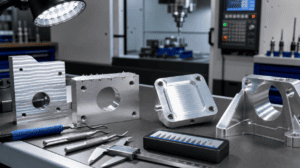
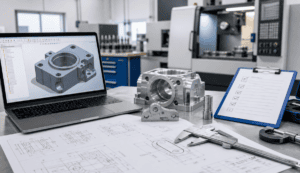
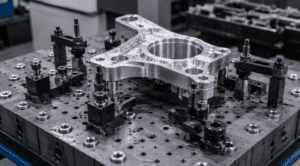
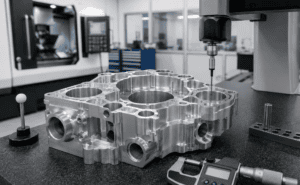
Zinkbewerking is een praktisch productieproces voor het vervaardigen van op maat gemaakte zinkonderdelen, componenten van zinklegeringen en precisieonderdelen . Dankzij de goede bewerkbaarheid, dimensionale stabiliteit, corrosiebestendigheid en kostenefficiëntie wordt zink veelvuldig gebruikt voor elektrische onderdelen, hardware, auto-onderdelen, industriële componenten en nabewerking na zinkspuitgieten.
Voor ingenieurs, productontwerpers en inkoopmanagers kan inzicht in zinkbewerking hen helpen bij het selecteren van het juiste materiaal, proces, oppervlakteafwerking en leverancier. Dit artikel beschrijft de belangrijkste voordelen, bewerkingsmethoden, toepassingen, ontwerptips en selectiefactoren voor leveranciers van zinkbewerkte onderdelen.
Wat is zinkbewerking?
Zinkbewerking verwijst naar het proces van snijden, vormen, boren, draaien, frezen of tappen van zinkmaterialen tot afgewerkte onderdelen volgens technische tekeningen of monsters. Dit proces wordt doorgaans uitgevoerd met CNC-freesmachines, CNC-draaimachines, boormachines, tapmachines en andere precisiebewerkingsmachines.
Bij CNC-bewerking van zink wordt materiaal verwijderd uit een massief blok, staaf, stang of voorgevormd gietstuk om de gewenste vorm en afmetingen te creëren. Het proces kan worden gebruikt voor zuiver zink, zinklegeringen, Zamak-legeringen en zink-aluminiumlegeringen.
Verspanen van zink is anders dan zinkspuitgieten. Spuitgieten is een vormproces waarbij gesmolten zinklegering in een mal wordt geïnjecteerd om onderdelen te vormen. Het is geschikt voor massaproductie van complexe vormen. Verspanen van zink daarentegen is flexibeler voor prototypes, kleine series, onderdelen met nauwe toleranties en precisie-afwerking. In veel projecten worden zinkspuitgieten en CNC-bewerking gecombineerd. Het gietproces vormt de basisvorm, terwijl verspanen wordt gebruikt om kritische gaten, schroefdraad, aansluitvlakken en precieze afmetingen af te werken.
Waarom kiezen voor zink voor bewerkte onderdelen?
Zink heeft diverse materiaaleigenschappen die het geschikt maken voor precisiebewerkingstoepassingen.
Goede bewerkbaarheid
Zink en veel zinklegeringen zijn relatief gemakkelijk te bewerken in vergelijking met sommige hardere metalen. Ze kunnen efficiënt worden gesneden, geboord, gefreesd en gedraaid met het juiste gereedschap en de juiste snijparameters. Dit helpt de bewerkingstijd te verkorten en de productie-efficiëntie te verbeteren.
Dankzij de goede bewerkbaarheid kunnen zinken onderdelen strakke randen, nauwkeurige gaten en gladde oppervlakken hebben. Voor kleine componenten met gedetailleerde kenmerken kan zink een praktische materiaalkeuze zijn.
Uitstekende dimensionale stabiliteit
Maatvastheid is belangrijk voor onderdelen die nauwkeurig geassembleerd moeten worden of consistente prestaties vereisen. Zinkmaterialen vertonen doorgaans een goede maatvastheid tijdens de bewerking. Dit betekent dat de onderdelen, mits correct bewerkt, minder snel ernstig vervormen.
Voor componenten zoals connectoren, behuizingen, beugels, sloten, fittingen en kleine mechanische onderdelen kunnen stabiele afmetingen bijdragen aan een betere montagekwaliteit en een lager afkeuringspercentage.
Goede corrosiebestendigheid
Zink biedt van nature een zekere mate van corrosiebestendigheid. Het wordt vaak gebruikt als beschermende laag voor staal omdat het roestvorming helpt voorkomen. Bij machinaal bewerkte zinkonderdelen kan de corrosiebestendigheid verder worden verbeterd door oppervlaktebehandelingen zoals galvaniseren, chromaatconversiecoating, passivering, poedercoating of lakken.
Hierdoor is zink nuttig voor ijzerwaren, constructieonderdelen, elektrische componenten en industriële onderdelen die worden gebruikt in binnenomgevingen of licht corrosieve omgevingen.
Kosteneffectieve materiaaloptie
In sommige toepassingen kan zink kosteneffectiever zijn dan messing, koper, roestvrij staal of andere speciale legeringen. Het biedt een goede balans tussen bewerkbaarheid, sterkte, corrosiebestendigheid en mogelijkheden voor oppervlakteafwerking.
Voor kopers die precisieonderdelen nodig hebben maar de materiaal- en bewerkingskosten onder controle willen houden, kan zinkbewerking een geschikte oplossing zijn.
Veelgebruikte zinkmaterialen bij de bewerking
Er kan gekozen worden uit verschillende zinkmaterialen, afhankelijk van sterkte, uiterlijk, corrosiebestendigheid, bewerkbaarheid en toepassingsvereisten.
Zinkmateriaal | BELANGRIJKSTE KENMERKEN | Gemeenschappelijke toepassingen |
Zuiver zink | Goede corrosiebestendigheid, relatief zacht | Elektrische onderdelen, beschermingsonderdelen, eenvoudige componenten |
Zamak-legering | Goede sterkte, goede bewerkbaarheid, veelgebruikt | Hardware, auto-onderdelen, fittingen, behuizingen |
Zink-aluminiumlegering | Betere sterkte en slijtvastheid | Industriële componenten, mechanische onderdelen |
Zink spuitgietstukken | Goede vormcomplexiteit en productie-efficiëntie | Behuizingen, handgrepen, beugels, sloten |
Van deze materialen worden Zamak-legeringen veel gebruikt bij zinkspuitgieten en daaropvolgende CNC-bewerking. Ze bieden een goede combinatie van sterkte, gietbaarheid en bewerkbaarheid. Voor onderdelen die zowel complexe vormen als nauwkeurige details vereisen, is Zamak-spuitgieten gevolgd door CNC-bewerking een veelgebruikte productiemethode.
Belangrijkste zinkbewerkingsprocessen
Zinkonderdelen kunnen met behulp van verschillende bewerkingsprocessen worden vervaardigd. Het juiste proces hangt af van de geometrie van het onderdeel, de tolerantie-eisen, de batchgrootte en de gewenste oppervlakteafwerking.
CNC-frezen van zink
CNC-frezen wordt gebruikt om vlakke oppervlakken, sleuven, uitsparingen, gaten, contouren en complexe vormen te creëren. Tijdens het frezen verwijderen roterende snijgereedschappen materiaal van het zinkwerkstuk om de gewenste geometrie te vormen.
CNC-frezen van zink is geschikt voor beugels, behuizingen, platen, blokken, afdekkingen, montageonderdelen en op maat gemaakte constructieonderdelen. Het is ook nuttig voor het afwerken van gegoten zinkonderdelen wanneer bepaalde gebieden een hogere nauwkeurigheid vereisen dan het gietproces kan bieden.
CNC-draaien van zink
CNC-draaien wordt voornamelijk gebruikt voor ronde of cilindrische onderdelen. Bij dit proces roteert het werkstuk terwijl een snijgereedschap materiaal van het oppervlak verwijdert. Draaien is geschikt voor assen, bussen, verbindingsstukken, schroefdraadonderdelen, hulzen, pinnen en fittingen.
Zink is over het algemeen gemakkelijk te bewerken bij gebruik van de juiste snelheid, voeding en gereedschapsgeometrie. Voor kleine, nauwkeurig gedraaide onderdelen kan CNC-draaien zorgen voor stabiele afmetingen en een goede oppervlaktekwaliteit.
Boren en tappen
Boren en tappen zijn veelvoorkomende bewerkingen bij gefreesde zinkonderdelen. Boren creëert gaten, terwijl tappen inwendige schroefdraad creëert. Omdat veel zinkonderdelen in assemblages worden gebruikt, zijn nauwkeurige gaten en schroefdraad vaak cruciaal.
Zink is echter zachter dan veel staalsoorten, dus het ontwerp van de schroefdraad moet zorgvuldig worden overwogen. Ingenieurs moeten te ondiepe schroefdraad, extreem dunne wanden rond schroefgaten of schroefdraadconstructies die de vereiste belasting mogelijk niet aankunnen, vermijden. In sommige gevallen kunnen schroefdraadinzetstukken worden gebruikt om de sterkte te verbeteren.
Nabewerking na het zinkspuitgieten
Veel zinkonderdelen worden eerst door middel van spuitgieten geproduceerd en vervolgens bewerkt om nauwkeurige functionele oppervlakken te verkrijgen. Nabewerking kan bestaan uit boren, tappen, frezen, ruimen, vlakken, ontbramen of oppervlaktevoorbereiding.
Oppervlakteafwerkingsopties voor gefreesde zinkonderdelen
Oppervlaktebehandeling verbetert het uiterlijk, de corrosiebestendigheid, de slijtvastheid en de algehele waarde van verzinkte onderdelen. Veelvoorkomende opties zijn polijsten, galvaniseren, passiveren, poedercoaten, lakken en chromaatconversiecoating.
Galvaniseren en coaten kunnen de bescherming en het uiterlijk verbeteren, terwijl polijsten zorgt voor een gladder en schoner oppervlak. Voordat de afwerking plaatsvindt, moeten zinken onderdelen goed worden gereinigd en ontbraamd, omdat olie, scherpe randen of oppervlaktedefecten de hechting van de coating en de uiteindelijke kwaliteit kunnen beïnvloeden.
Toepassingen van zinkbewerking
Bewerkte zinkonderdelen worden in veel industrieën gebruikt vanwege hun bewerkbaarheid, corrosiebestendigheid, dimensionale stabiliteit en flexibiliteit in afwerking.
- Auto-onderdelen
In de automobielindustrie worden gefreesde zinkonderdelen gebruikt voor beugels, behuizingen, connectoren, fittingen, slotcomponenten en kleine mechanische onderdelen. Zinklegeringen worden vaak gekozen wanneer onderdelen een balans vereisen tussen sterkte, maatnauwkeurigheid en kostenbeheersing.
- Elektrische en elektronische componenten
Zink kan worden gebruikt voor aansluitingen, afschermingsonderdelen, connectoren, contactcomponenten en kleine elektrische onderdelen. Afhankelijk van de toepassing kunnen zinkonderdelen een galvanische laag of andere oppervlaktebehandeling nodig hebben om de geleidbaarheid, corrosiebestendigheid of soldeerbaarheid te verbeteren.
- Hardware en constructieonderdelen
Zink wordt veel gebruikt in sloten, handgrepen, scharnieren, decoratief hang- en sluitwerk, bevestigingsonderdelen en bouwbeslag. Bewerkte zinkonderdelen bieden na afwerking zowel functionele prestaties als een aantrekkelijk uiterlijk.
- Onderdelen voor industriële apparatuur
In industriële apparatuur kunnen bewerkte zinkcomponenten onder andere bestaan uit bussen, fittingen, kleine precisieblokken, montageonderdelen en op maat gemaakte mechanische onderdelen. Mits goed ontworpen, kan zink stabiele prestaties leveren in veel niet-extreme bedrijfsomstandigheden.
Ontwerpoverwegingen bij zinkbewerking
Een goed ontwerp van onderdelen kan de bewerkingsefficiëntie verbeteren, de kosten verlagen en kwaliteitsproblemen voorkomen. Bij het ontwerpen van verzinkte onderdelen moet rekening worden gehouden met verschillende factoren.
wanddikte
Hoewel zink zich goed laat bewerken, kunnen extreem dunne wanden vervormen tijdens het bewerken, klemmen of monteren. Ontwerpers moeten de wanddikte redelijk houden en onnodige zwakke plekken vermijden.
Tolerantievereisten
Strikte toleranties verhogen de bewerkingstijd, de inspectievereisten en de kosten. Het is belangrijk om strikte toleranties alleen voor kritische afmetingen te definiëren. Voor niet-kritische onderdelen kunnen standaardtoleranties worden gebruikt om de productie te vereenvoudigen.
Draad- en gatenontwerp
Bij schroefgaten moeten de schroefdiepte, de gatdiameter en de wanddikte van de omringende schroef worden afgestemd op de vereiste belasting. Als het onderdeel frequent gemonteerd en gedemonteerd moet worden, kan extra versteviging van de schroefdraad worden overwogen.
Vereisten voor oppervlakteafwerking
Verschillende toepassingen vereisen verschillende oppervlakteafwerkingen. Decoratief beslag kan gepolijst en gegalvaniseerd moeten worden, terwijl industriële onderdelen wellicht alleen ontbraamd of van een beschermende coating voorzien hoeven te worden. Eisen aan de oppervlakteafwerking moeten duidelijk vermeld staan op tekeningen of in offertedocumenten.
Batchgrootte en processelectie
Voor prototypes en kleine series kan CNC-bewerking van zink uit massief materiaal efficiënt en flexibel zijn. Voor complexe onderdelen in grote volumes kan zinkspuitgieten, gevolgd door nabewerking, economischer zijn.
Zinkbewerking versus aluminiumbewerking
Zink en aluminium worden beide veel gebruikt in op maat gemaakte metalen onderdelen, maar ze hebben verschillende eigenschappen.
Factor | Zinkbewerking | Aluminium bewerking |
Dichtheid | zwaardere | Lichter |
bewerkbaarheid | Goed | Uitstekend |
Corrosiebestendigheid | Goed | Prima, vooral met anodiseren. |
Sterkte | Matig tot goed, afhankelijk van de legering. | Varieert per legering |
Oppervlakte die eindigen | Galvaniseren, schilderen, coaten | Anodiseren, lakken, coaten |
Typisch gebruik | Hardware, fittingen, gegoten onderdelen, kleine componenten | Lucht- en ruimtevaart, automobielindustrie, elektronica, constructieonderdelen |
Aluminium heeft vaak de voorkeur wanneer gewichtsvermindering belangrijk is. Zink kan de voorkeur hebben wanneer het onderdeel goede gietbaarheid, vormvastheid, een decoratieve afwerking of kosteneffectieve productie van kleine functionele componenten vereist.
De beste keuze hangt af van de toepassing, de gebruiksomgeving, de mechanische eisen, de esthetische wensen en het budget.
Uitdagingen bij het bewerken van zink
Hoewel zink over het algemeen gemakkelijk te bewerken is, zijn er tijdens de productie nog steeds een aantal factoren waarmee rekening moet worden gehouden:
- Klemsporen of vervorming
Zink is zachter dan veel andere metalen, waardoor onjuist klemmen oppervlaktebeschadigingen of vervorming van het werkstuk kan veroorzaken. Zachte klembekken, zorgvuldige bevestiging en de juiste klemkracht zijn vaak vereist. - Controle van snijparameters
Een onjuiste snijsnelheid, aanvoersnelheid, gereedschapslijtage of slechte spaanafvoer kunnen de oppervlakteafwerking en maatnauwkeurigheid beïnvloeden. - Stabiliteit van dunwandige onderdelen
Dunwandige zinkonderdelen kunnen tijdens de bewerking trillen of vervormen. Een goede gereedschapspadplanning, een geschikt opspanontwerp en een juiste bewerkingsvolgorde dragen bij aan een betere stabiliteit. - Oppervlaktevoorbereiding vóór de afwerking
De kwaliteit van galvaniseren, schilderen of coaten hangt sterk af van de oppervlaktevoorbereiding. Ontbramen, reinigen en inspecteren moeten vóór de oppervlaktebehandeling worden uitgevoerd.
Conclusie
Verzinken is een praktische oplossing voor het produceren van nauwkeurige zinkonderdelen, componenten van zinklegeringen en op maat gemaakte onderdelen voor automobiel-, elektrische, hardware-, bouw- en industriële toepassingen.
Of u nu CNC-gefreesde zinkprototypes, kleine series zinkonderdelen of nabewerking van zinkspuitgietwerk nodig hebt, de juiste bewerkingsmethode en leverancier kiezen kan de productkwaliteit verbeteren en productierisico's verminderen.
Bent u op zoek naar een betrouwbare leverancier voor zinkbewerking? Ons team kan u ondersteunen met maatwerk CNC-bewerking van zink, onderdelen van zinklegeringen, prototypebewerking, nabewerking en precisieproductie op basis van uw tekeningen of monsters. Neem contact met ons op om uw projectvereisten te bespreken en een snelle offerte te ontvangen.
Veelgestelde vragen (FAQ's)
V: Is zink gemakkelijk te bewerken?
A: Ja. Zink en veel zinklegeringen zijn goed bewerkbaar. Ze kunnen worden bewerkt met CNC-frezen, CNC-draaien, boren, tappen en nabewerking.
V: Waarvoor worden gefreesde zinkonderdelen gebruikt?
A: Bewerkte zinkonderdelen worden veel gebruikt in auto-onderdelen, elektrische onderdelen, ijzerwaren, bouwbeslag, industriële apparatuur, connectoren, sloten en kleine precisieonderdelen.
V: Kunnen zinkonderdelen worden geplateerd?
A: Ja. Bewerkte zinkonderdelen kunnen worden geplateerd, gecoat, gepolijst, geverfd of gepassiveerd om de corrosiebestendigheid, het uiterlijk en de oppervlakteprestaties te verbeteren.
Vraag: Is zinkbewerking beter dan zinkspuitgieten?
A: Dat hangt af van het project. Zinkbewerking is beter geschikt voor prototypes, kleine series, precisieonderdelen en nauwe toleranties. Zinkspuitgieten is beter voor massaproductie van complexe vormen.
V: Welke toleranties zijn haalbaar bij het bewerken van zink?
A: De haalbare tolerantie is afhankelijk van de geometrie van het onderdeel, het materiaalsoort, de bewerkingsapparatuur, het ontwerp van de opspaninrichting en de inspectie-eisen. Kritische toleranties moeten duidelijk op de tekening worden aangegeven.