Step into any modern machine shop, and you will quickly notice a wide variety of cutting processes in action. Among these fundamental techniques is side milling.
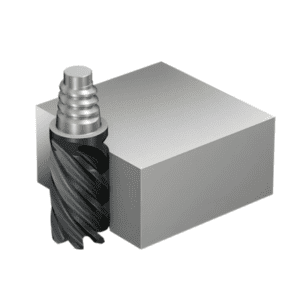
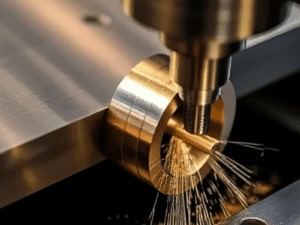
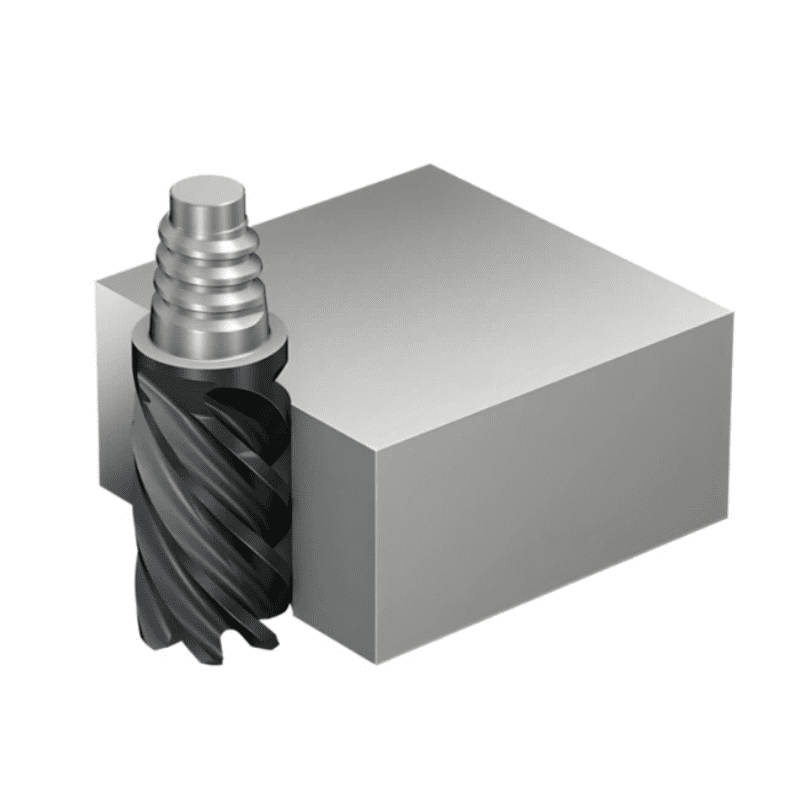
Simply put, side milling is a machining process used to create flat, vertical surfaces on a workpiece. Machinists rely on this method to shape metal with high precision, using the periphery of a cylindrical cutter to remove material from the side of a part.
This guide will walk you through the core applications, common types of operations, and essential tools associated with side milling.
Key Applications of Side Milling in Manufacturing
Side milling is highly adaptable. Machine shops use it to accomplish a variety of specific tasks, from basic stock preparation to creating detailed part features.
Squaring Up Stock
Before a machinist can create complex parts, they need a perfectly square block of material to work with. Side milling is frequently used to machine the rough edges of a workpiece. By running a side milling cutter along the perimeter, operators can create precise 90-degree angles and ensure the stock is perfectly dimensioned for subsequent operations.
Slot Cutting
Cutting deep, straight channels into a piece of metal is a common requirement in manufacturing. Machinists use side milling cutters to cut slots and keyways into shafts and blocks. When precise width is required, specific setups like straddle mills are often employed to guarantee accurate slot dimensions.
Shoulder Milling
Shoulder milling involves machining a step—or a “shoulder”—onto a workpiece. This requires the cutter to simultaneously machine a vertical surface and a horizontal surface. Side milling techniques are perfectly suited for this task, allowing for sharp, accurate inside corners that meet strict engineering tolerances.
Complex Contours
While traditionally used for straight, flat surfaces, side milling also plays a role in creating complex contours. When combined with the multi-axis movements of a Computer Numerical Control (CNC) machine, side milling cutters can follow intricate toolpaths to produce curved edges and flowing organic shapes.
Common Types of Side Milling Operations
Depending on the machine, the material, and the desired outcome, machinists will choose different methods of side milling.
Conventional Side Milling
In conventional side milling, the cutter rotates against the direction of the feed. The cutting edge enters the material at zero thickness and gradually bites deeper. This traditional method is often favored on older manual milling machines because it prevents the workpiece from being pulled into the cutter.
Climb Side Milling
Climb side milling is the exact opposite of conventional milling. Here, the cutter rotates in the same direction as the feed. The cutting edge takes a thick bite of material right at the start and tapers off to zero. Climb milling produces a superior surface finish and extends tool life, making it the preferred method on rigid, modern CNC machines that do not suffer from backlash.
Straddle Milling
Straddle milling is a highly efficient, specific type of side milling. Two side milling cutters are mounted on the same arbor with a precise spacer between them. This setup allows the machine to cut two parallel vertical sides of a workpiece simultaneously, drastically reducing cycle times.
Gang Milling
Taking the concept of straddle milling a step further, gang milling involves mounting multiple cutters of varying sizes and profiles on a single arbor. This allows operators to machine multiple complex surfaces—including several side-milled features—in a single pass.
Essential Tools Used for Side Milling
The success of a side milling operation heavily depends on selecting the right cutting tool and setup hardware.
Plain Side Milling Cutters
Plain side milling cutters feature straight teeth located on the periphery and one or both sides of the tool. They are generally used for light-duty operations and shallow cuts where heavy chip removal is not a primary concern.
Staggered-Tooth Side Milling Cutters
When the job requires deep slots or heavy material removal, staggered-tooth side milling cutters are the go-to choice. The teeth alternate in their helix angle (one left, one right), which breaks up the cutting action. This design provides much better chip clearance and reduces the cutting forces, allowing for deeper, more aggressive cuts without jamming.
Inserted Tooth Cutters
Modern manufacturing often relies on inserted tooth cutters. Instead of a solid piece of high-speed steel, these tools feature a steel body equipped with replaceable carbide inserts. Carbide can withstand much higher cutting speeds and temperatures, making these tools incredibly efficient for high-production side milling.
The Role of the Arbor
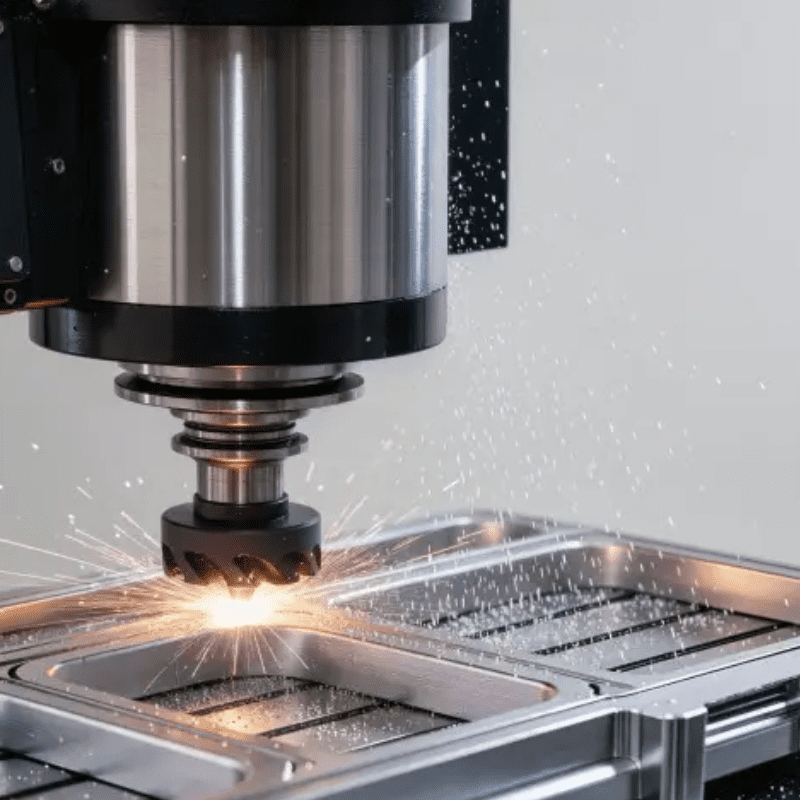
You cannot discuss side milling without mentioning the arbor. The arbor is the sturdy shaft that holds the milling cutter and connects it to the machine’s spindle. In side milling, where lateral cutting forces can be quite high, a thick, rigid arbor is absolutely critical to maintain stability and prevent tool deflection.
Advantages of Using Side Milling
There is a reason side milling remains a staple in both manual and CNC machine shops. It offers several distinct benefits.
High Precision
When set up correctly, side milling achieves excellent flatness and straightness on vertical surfaces. It allows machinists to hit tight dimensional tolerances consistently, ensuring parts fit perfectly into larger assemblies.
Efficiency
Time is money in a machine shop. Side milling techniques—especially straddle milling and gang milling—allow operators to machine multiple features simultaneously. Doing more work in a single pass greatly reduces overall manufacturing time.
Versatility
Side milling is incredibly adaptable. It works well across a vast range of materials, from soft plastics and aluminum to tough titanium and tool steels. It also accommodates a wide variety of part geometries.
Surface Finish
Nobody wants a part with rough, jagged edges. Using the proper side milling techniques (such as climb milling with a sharp cutter) produces a remarkably smooth, superior surface finish on the vertical edges of a workpiece.
Disadvantages and Limitations of Side Milling
Despite its many benefits, side milling is not without its challenges. Operators must be aware of its limitations to avoid ruined parts and broken tools.
Tool Deflection
Side milling cutters are often long and relatively thin. Because the cutting forces push against the side of the tool, the cutter can sometimes flex or deflect. This deflection leads to tapered walls and inaccuracies, especially during deep side milling cuts.
Vibration and Chatter
The overhang of the cutter and arbor can act like a tuning fork. If the speeds and feeds are incorrect, or the setup is not rigid enough, the cutting action will induce heavy vibration, known as chatter. Chatter ruins the surface finish and drastically reduces tool life.
Waste Material
Side milling generates a significant amount of chips. Unlike face milling, where chips can easily fly away from the top of the part, chips generated in deep side milling cuts can get trapped in the slot or valley. If chips are not properly evacuated, the cutter will recut them, leading to broken teeth.
Setup Rigidity
Successful side milling requires an incredibly rigid machine and workholding setup. Any play in the machine’s ways, the arbor, or the vise holding the workpiece will be disastrous. If the setup lacks rigidity, the cutter will grab the material, potentially causing a violent crash.
Conclusion
Side milling is a versatile and deeply important process in the world of machining. From squaring up raw stock to cutting precise keyways and shoulders, it gives machinists the ability to shape flat, vertical surfaces with impressive accuracy. By understanding the different types of cutters, the importance of climb versus conventional milling, and the mechanics of the arbor, you can approach your next project with confidence.
If you are a beginner attempting side milling for the first time, the best practice is to start small. Use light cuts, ensure your workpiece is clamped as rigidly as possible, and pay close attention to chip evacuation.
Do you have questions about setting up your first side milling operation? Drop a comment below to join the discussion, or check out our related guides on calculating the perfect milling feeds and speeds for your specific material.
Frequently Asked Questions
Q: Can side milling be performed on non-metal materials?
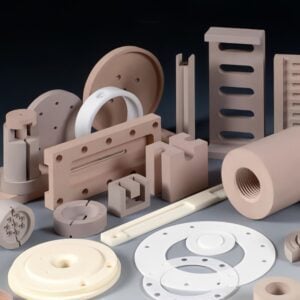
A: Yes, side milling is commonly used on plastics, composites, and even some wood products, provided the correct tools and speeds are selected for the material.
Q: How do I choose the right side milling cutter for my project?
A: The choice depends on factors like the material you’re machining, the required depth of cut, and the desired surface finish. For deep or heavy cuts, staggered-tooth cutters are often best, while plain cutters work well for lighter tasks.
Q: What is the main difference between side milling and end milling?
A: Side milling uses the periphery of the cutter to machine vertical surfaces, while end milling generally uses the end of the tool to cut slots or pockets into the top surface of the workpiece.
Q: Are there any safety tips specific to side milling?
A: Always ensure the workpiece is securely clamped, use sharp cutters, and wear appropriate protective equipment. Pay attention to chip evacuation to avoid recutting chips, which can damage the cutter and workpiece.
Q: Can CNC machines perform automated side milling operations?
A: Absolutely. Modern CNC machines can program complex toolpaths for side milling, enabling precise, repeatable cuts on intricate parts with minimal manual intervention.