Have you ever encountered an element that defies simple classification? In the fascinating world of chemistry, not everything is simply a metal or a non-metal. This is where the intriguing category of metalloids comes into play.
What are metalloids? They are a unique group of elements that exhibit a captivating blend of metallic and non-metallic properties, making them some of the most valuable and versatile substances in modern technology.
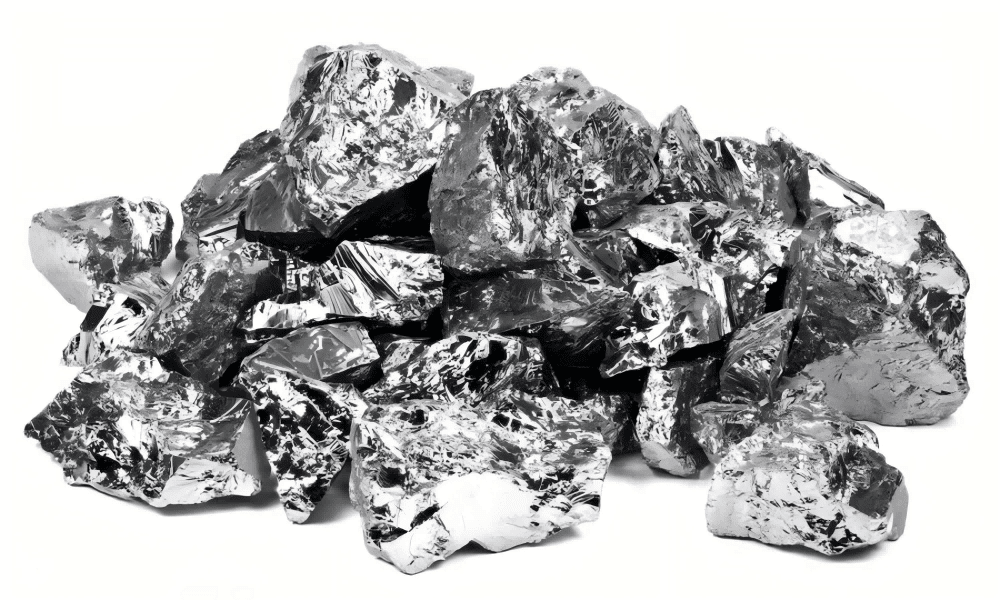
Characteristics and Applications of the Seven Common Metalloids
The group of metalloid elements is small but incredibly significant. Typically, seven elements are classified as metalloids, each boasting a unique mix of metal-like and non-metal-like properties. Let’s explore the distinct properties and critical uses of each one.
The group of metalloid elements is small but incredibly significant. Typically, seven elements are classified as metalloids, each boasting a unique mix of metal-like and non-metal-like properties. Let’s explore the distinct properties and critical uses of each one.
1. Boron (B)
Properties: Boron is a hard, refractory metalloid with high melting point and low density. It is a poor electrical conductor at room temperature but becomes a good conductor at high temperatures. Its most notable chemical property is its role as a semiconductor.
Uses: Boron is primarily used in borosilicate glass (e.g., Pyrex), which is resistant to thermal shock. It is also a vital component in detergents, ceramics, and as a doping agent in semiconductors. Boron compounds are essential in control rods for nuclear reactors.
2. Arsenic (As)
Properties: Arsenic is famously known for its toxicity. In its most stable form, it is a brittle, steel-gray metalloid that tarnishes in air. It conducts electricity but heat conduction is poor. It readily forms compounds with many other elements.
Uses: Despite its toxicity, arsenic has niche applications. Its most important historical use is in wood preservatives (now phased out in many areas). It is also used in semiconductors (gallium arsenide) for LEDs and laser diodes, and in some lead-acid batteries.
3. Silicon (Si)
Properties: Silicon is the quintessential metalloid and semiconductor. It is hard, brittle, and has a shiny, blue-grey metallic lustre. Its high chemical affinity for oxygen means it is rarely found free in nature. Its ability to control electrical current is its most valuable trait.
Uses: Silicon is the fundamental material of the digital age. It is the primary substrate used in semiconductors and integrated circuits for all modern electronics. It is also a key element in solar cells and in silicones, a class of synthetic polymers.
4. Antimony (Sb)
Properties: Antimony is a lustrous, silver-white, brittle solid. It is a poor conductor of heat and electricity and is not easily oxidized. It has a unique property of expanding upon cooling from its molten state. It often enhances the hardness and strength of other materials.
Uses: Its primary use is as a flame retardant in plastics, textiles, and electronics. It is a crucial alloying element in lead-acid batteries, making the plates harder and more durable. It is also used in some semiconductors and ceramics.
5. Polonium (Po)
Properties: Polonium is a rare, highly radioactive, and volatile metalloid. It is a soft silver-gray metal that is dangerously toxic even in minute quantities due to its intense radioactivity. It emits alpha particles and generates significant heat.
Uses: Its applications are extremely specialized due to its hazard. It is used in industrial equipment to eliminate static electricity and as a lightweight heat source in space satellites. Its historical use was in “trigger” devices for nuclear weapons.
6. Tellurium (Te)
Properties: Tellurium is a brittle, mildly toxic, silver-white metalloid. When pure, it has a metallic luster. It is a semiconductor and its electrical conductivity increases slightly when exposed to light. It is often alloyed with other metals.
Uses: Its main use is as an alloying additive to steel and copper to improve machinability. It is a crucial component in cadmium telluride (CdTe) thin-film solar panels. It is also used in phase-change memory chips and as a vulcanizing agent in rubber production.
7. Germanium (Ge)
Properties: Germanium is a lustrous, hard, grayish-white metalloid with a crystal structure similar to diamond. It is an intrinsic semiconductor, making it excellent for controlling electrical current. It is transparent to infrared light.
Uses: Germanium was the material used in the first transistors. Today, it is used in fiber-optic systems, infrared night-vision optics, and PET plastic bottles as a polymerization catalyst. It is also an important material in high-efficiency multi-junction solar cells.

The Application of Metalloids in CNC Machining
While not typically machined themselves in pure form, metalloids are indispensable in enhancing the CNC machining process. Their unique properties are leveraged in the tools, materials, and components that make modern precision manufacturing possible.
Enhanced Cutting Tools
Silicon and Boron are critical alloying elements in the production of ultra-hard materials like polycrystalline diamond (PCD) and cubic boron nitride (CBN) tips used on cutting tools. These metalloids significantly increase tool hardness and thermal resistance, allowing for higher cutting speeds and longer tool life when machining abrasive alloys.
Semiconductor Manufacturing
CNC machining is vital for creating precise fixtures, chucks, and components for the semiconductor industry. This industry is built upon metalloid elements like Silicon and Germanium, which are used to manufacture the wafers that are then precision-cut and shaped.
Improved Workpiece Materials
Metalloids are added to metals to create alloys with superior machinability. For instance, Tellurium is added to steel to make it more free-machining, reducing tool wear and improving surface finish. Similarly, Silicon is a key component in aluminum casting alloys, improving their fluidity and castability before CNC machining.
Specialized Components
Certain metalloids are machined into specialized components. High-purity Germanium, for example, is precisely machined into lenses and windows for infrared optical systems due to its unique transparency to infrared light. This requires highly controlled CNC machining processes.
Conclusion
In summary, metalloids are unique elemental hybrids whose blend of properties makes them fundamental to modern technology and precision manufacturing. From the semiconductors that power our devices to the enhanced alloys we machine, their impact is profound. For your projects requiring expert CNC machining of materials influenced by these critical elements, choose EASIAHOME. We provide the precision and expertise necessary to bring your most complex designs to life. Contact us today for a quote.
Frequently Asked Questions
Q1: What is a simple metalloids definition?
A: Metalloids are elements that share properties of both metals and non-metals, making them unique semiconductors essential in electronics.
Q2: Why are they called semimetals?
A: The term “semimetal” historically refers to their partial metallic character, but metalloid is the more precise and modern classification used in chemistry.
Q3: Which metalloid is the most important for technology?
A: Silicon is arguably the most critical, forming the foundation of all modern semiconductors, computer chips, and solar cell technology.
Q4: Can you machine parts made from metalloids?
A: While pure forms are often brittle, metalloids are vital in alloys and tools for CNC machining. For expert machining of advanced materials, our company possesses the required technical expertise.