Aluminum Black Anodizing is one of the most widely used surface finishing processes in modern manufacturing. It not only gives aluminum components a sleek black appearance but also significantly improves corrosion resistance, wear resistance, durability, and thermal performance.
From aerospace components and consumer electronics to automotive parts and architectural systems, black anodized aluminum is valued for both its functional advantages and premium appearance. Unlike paint or powder coating, anodizing transforms the aluminum surface itself into a durable oxide layer that becomes part of the metal rather than sitting on top of it.
In this guide, we will explore how aluminum black anodizing works, its benefits and disadvantages, common applications, and why it remains one of the best finishing solutions for aluminum parts.
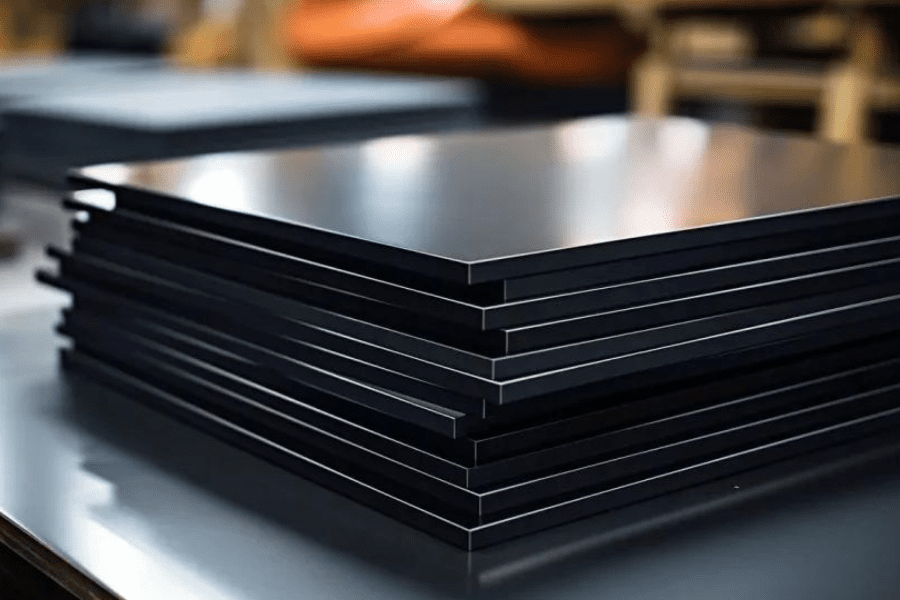
What Is Aluminum Black Anodizing?
Black anodizing is an electrochemical process used to create a protective black oxide layer on aluminum surfaces. During anodizing, aluminum is immersed in an acid electrolyte bath while electrical current passes through the material. This reaction converts the outer surface of aluminum into aluminum oxide.
Unlike ordinary coatings, the anodized layer is fully integrated into the metal substrate. As a result, it cannot peel, chip, or flake like traditional paint.
The anodized oxide layer contains microscopic pores that can absorb dyes or electrolytic coloring materials. Black coloring is then added to create a deep black finish, followed by a sealing process that locks the color inside the oxide layer.
The final result is a black anodized aluminum surface with:
- Excellent corrosion resistance
- Increased surface hardness
- Improved wear resistance
- Better UV protection
- Attractive matte or glossy appearance
The appearance of the finished product depends on several factors, including the aluminum alloy, surface preparation method, and anodizing thickness.
How the Aluminum Black Anodizing Process Works
Surface Preparation
Before anodizing begins, the aluminum component must be thoroughly cleaned to remove oils, dirt, oxidation, and machining residue.
Common preparation methods include:
- Degreasing
- Chemical cleaning
- Acid etching
- Sandblasting
- Mechanical polishing
Surface preparation is extremely important because anodizing follows the existing surface texture. Any scratches or imperfections on the raw aluminum may remain visible after anodizing.
For example:
- Sandblasting creates a matte finish
- Polishing produces a glossy appearance
- Brushing creates a textured industrial look
Sulfuric Acid Anodizing
The cleaned aluminum part is immersed in a sulfuric acid electrolyte solution while electrical current is applied.
2Al+ 3H2O3 + Al2O3 + 6H+ +6e–
This electrochemical reaction forms a porous aluminum oxide layer on the surface.
The oxide layer provides:
- Increased hardness
- Better corrosion resistance
- Enhanced abrasion resistance
- Pores for dye absorption
The most common process is Type II sulfuric acid anodizing, which typically creates a coating thickness between 5 and 25 microns.
For deep black finishes, thicker anodized layers are often preferred because they absorb dye more effectively.
Black Coloring
After anodizing, the porous oxide layer is colored black using one of two methods:
Organic Dye Coloring
Organic dyes create rich and visually appealing black finishes. This method is widely used for decorative and consumer products because it produces deep, uniform coloring.
However, prolonged UV exposure may gradually fade some organic dyes.
Electrolytic Coloring
Electrolytic coloring uses metal salts deposited into the oxide pores.This method offers:
- Better UV resistance
- Improved color stability
- Higher durability for outdoor applications
Electrolytic black anodizing is commonly used in architecture, aerospace, and industrial equipment.
Sealing the Surface
The final step is sealing the anodized layer using distilled water, steam, or nickel acetate solutions.Sealing closes the microscopic pores and locks the dye inside the oxide layer.This step improves:
- Corrosion resistance
- UV resistance
- Color durability
- Environmental protection
Without proper sealing, the anodized finish may discolor or degrade over time.
Benefits of Black Anodized Aluminum
Superior Corrosion Resistance
One of the biggest advantages of black anodizing is corrosion protection.
The anodized oxide layer shields aluminum from:
- Moisture
- Salt spray
- Chemicals
- Oxidation
- Harsh weather conditions
Unlike paint, the anodized layer cannot peel away because it becomes part of the metal itself.
Excellent Wear Resistance
Anodizing significantly increases surface hardness, helping aluminum resist:
- Scratches
- Abrasion
- Surface wear
- Mechanical damage
This makes black anodized aluminum ideal for components exposed to constant handling or friction.
Outstanding Heat Dissipation
Black anodized aluminum offers excellent thermal radiation properties, making it suitable for:
- Heat sinks
- LED housings
- Electronic enclosures
- Cooling systems
The anodized surface improves heat management without reducing structural integrity.
Premium Appearance
Black anodizing creates a sleek and modern finish that is widely used in high-end products.
Manufacturers can achieve:
- Matte black finishes
- Satin black finishes
- Gloss black finishes
The uniform appearance enhances both industrial and consumer products.
Electrical Insulation
The anodic coating naturally provides electrical insulation while maintaining the lightweight properties of aluminum.
This is especially useful in electronic and electrical applications.
Disadvantages of Black Anodized Aluminum
Although black anodizing offers many advantages, it also has some limitations.
Limited Color Flexibility
Compared with paint or powder coating, anodizing offers fewer color options, especially when consistent black coloring is required.
UV Fading
Organic dyes may fade after long-term exposure to sunlight. For outdoor applications, electrolytic coloring is generally preferred.
Surface Imperfections Remain Visible
Since anodizing is partially transparent, machining marks, scratches, and dents may still be visible after finishing.
Proper surface preparation is essential for achieving a premium appearance.
Higher Cost for Complex Parts
Black anodizing can become expensive for:
- Large components
- Tight tolerance parts
- Thick coatings
- Complex geometries
Additional treatments such as polishing or sandblasting also increase costs.
Applications of Black Anodized Aluminum
Aerospace Industry
Aerospace manufacturers use black anodized aluminum because of its:
- Lightweight structure
- Excellent corrosion resistance
- Wear resistance
- Thermal performance
The anodized coating performs well in harsh environments and vacuum conditions.
Consumer Electronics
Many premium electronics use black anodized aluminum, including:
- Smartphones
- Laptops
- Audio equipment
- Gaming accessories
The finish provides both durability and an elegant appearance.
Architectural Applications
Architects frequently choose black anodized aluminum for:
- Curtain walls
- Window frames
- Decorative panels
- Building facades
Its UV resistance and weather durability make it ideal for outdoor structures.
Automotive Components
Black anodized aluminum is widely used in:
- Interior trim
- Performance parts
- Engine components
- Decorative accessories
The finish combines durability with a high-end appearance.
Black Anodizing vs Powder Coating and Paint
Compared with paint and powder coating, black anodizing offers superior durability because the oxide layer becomes part of the aluminum surface.
Painted surfaces can chip, peel, or crack over time, especially under harsh environmental conditions. Powder coating is more durable than paint but still forms a separate layer on top of the metal.
Black anodizing provides:
- Better wear resistance
- Higher corrosion resistance
- Improved heat dissipation
- Stronger UV stability
- More precise coating thickness
However, powder coating offers:
- Wider color selection
- Thicker coatings
- Lower visibility of surface defects
The best choice depends on the application requirements and aesthetic goals.
Conclusion
Aluminum black anodizing remains one of the best surface finishing solutions for aluminum components. It combines durability, corrosion resistance, wear protection, heat dissipation, and premium aesthetics in a single process.
Frequently Asked Questions (FAQ)
Q: Is black anodized aluminum rust-proof?
A: Aluminum does not rust like steel. Black anodizing further improves corrosion resistance by creating a protective oxide layer.
Q: Can black anodized aluminum fade?
A: Yes. Organic dyes may fade under prolonged UV exposure. Electrolytic coloring provides better color stability.