Aerospace parts require high precision, strong materials, lightweight design, and reliable performance. Even small machining errors can affect the safety and function of critical components.
This is why CNC machining is widely used in aerospace manufacturing. It can produce complex, high-precision parts from materials such as aluminum, titanium, stainless steel, and nickel-based alloys.
In this guide, we will cover the basics of aerospace CNC machining, common materials, key processes, quality requirements, and how to choose the right supplier.
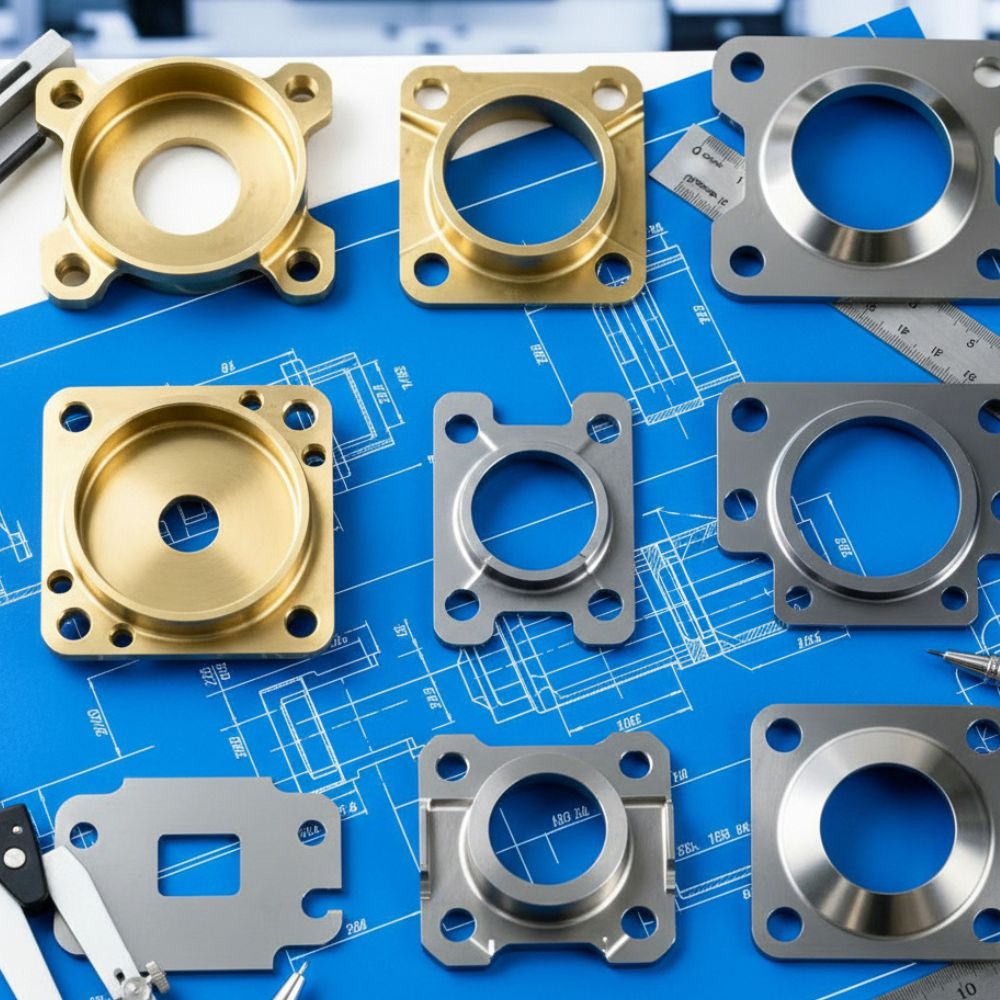
What Is CNC Machining in Aerospace?
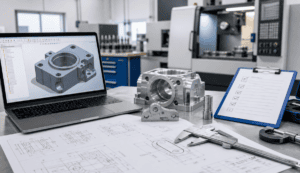
CNC machining, or Computer Numerical Control machining, is a manufacturing process that uses computer-controlled machines to remove material from a solid workpiece. The machine follows programmed instructions to cut, drill, mill, turn, or shape the material into the required part.
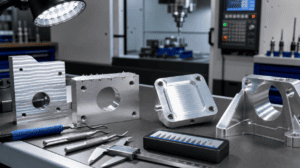
In aerospace manufacturing, CNC machining is used to produce parts with tight tolerances, complex geometries, and high-quality surface finishes. These parts may be used in aircraft engines, structural systems, landing gear, avionics, satellites, UAVs, and other aerospace systems.
Compared with traditional manual machining, CNC machining offers higher precision, better repeatability, and greater efficiency. This makes it especially suitable for aerospace projects where consistency and quality are essential.
Why CNC Machining Is Important for Aerospace Applications
Aerospace components must perform reliably under extreme conditions, including high speed, vibration, temperature changes, pressure, and mechanical stress. CNC machining helps meet these requirements in several important ways.
High Precision and Tight Tolerances
Aerospace parts often require very tight dimensional tolerances. CNC machines can produce parts with high accuracy, ensuring that each component fits properly into larger assemblies. This is especially important for engine parts, structural brackets, housings, and precision connectors.
Strong and Lightweight Components
Weight reduction is a key goal in aerospace design. Lighter aircraft and spacecraft can improve fuel efficiency, payload capacity, and overall performance. CNC machining can process lightweight yet strong materials such as aluminum and titanium, helping manufacturers create durable parts without unnecessary weight.
Consistent Quality
Aerospace production requires consistent quality across every part. Once the CNC program is validated, the same part can be produced repeatedly with stable dimensions and surface quality. This repeatability is valuable for both small-batch and larger production runs.
Complex Geometry Capability
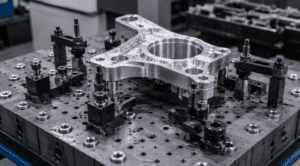
Many aerospace components have complex shapes, curved surfaces, thin walls, deep pockets, or internal features. Advanced CNC equipment, especially 5-axis CNC machining centers, can produce these complex geometries with fewer setups and higher accuracy.
Common Aerospace Components Made by CNC Machining
CNC machining is used to manufacture a wide range of aerospace components. Some common examples include:
- Aircraft structural components
- Engine components
- Landing gear parts
- Brackets and mounting plates
- Housings and enclosures
- Turbine components
- Satellite components
- UAV and drone parts
- Avionics enclosures
- Defense and military aerospace components
- Replacement parts for aircraft maintenance
These parts may vary in size, complexity, and material, but they all require reliable manufacturing quality.
Materials Used in Aerospace CNC Machining
Material selection is critical in aerospace applications. The chosen material must meet the mechanical, environmental, and performance requirements of the final part.
Aluminum Alloys
Aluminum is one of the most widely used materials in aerospace CNC machining. It is lightweight, corrosion-resistant, and relatively easy to machine. Common aerospace aluminum grades include 6061 and 7075.
Aluminum is often used for structural parts, brackets, housings, panels, and aircraft interior components. 7075 aluminum is especially valued for its high strength-to-weight ratio.
Titanium Alloys
Titanium is known for its excellent strength, corrosion resistance, and heat resistance. It is much lighter than steel while still offering high mechanical strength. Because of these properties, titanium is widely used in aircraft engines, structural components, and high-performance aerospace systems.
However, titanium is more difficult to machine than aluminum. It requires proper cutting tools, machining parameters, and cooling methods to control heat and prevent tool wear.
Stainless Steel
Stainless steel offers high strength, wear resistance, and corrosion resistance. It is used in aerospace applications where durability and mechanical performance are important. Typical parts include fasteners, shafts, fittings, and structural components.
Although stainless steel is heavier than aluminum and titanium, it remains important for parts that require toughness and long-term reliability.
Inconel and Nickel-Based Alloys
Nickel-based alloys such as Inconel are used in high-temperature aerospace environments. These materials can maintain strength and oxidation resistance under extreme heat, making them suitable for engine parts, turbine components, and exhaust systems.
Machining these materials is challenging because they are hard, heat-resistant, and can cause rapid tool wear. Experienced CNC machining suppliers are needed to handle these materials properly.
Engineering Plastics
In addition to metals, aerospace CNC machining also uses engineering plastics such as PEEK, PTFE, nylon, and other high-performance polymers. These materials are often used for insulation parts, lightweight components, seals, bushings, and non-metallic functional parts.
CNC Machining Processes for Aerospace Parts
Different CNC machining processes may be used depending on the part design, material, tolerance requirements, and production volume.
CNC Milling
CNC milling is one of the most common processes for aerospace parts. It uses rotating cutting tools to remove material from a workpiece. Milling can create flat surfaces, slots, pockets, holes, contours, and complex 3D shapes.
It is widely used for brackets, housings, plates, structural components, and custom aerospace parts.
CNC Turning
CNC turning is used to machine round or cylindrical parts. During turning, the workpiece rotates while the cutting tool removes material. This process is suitable for shafts, bushings, sleeves, connectors, and other rotational components.
5-Axis CNC Machining
5-axis CNC machining is highly valuable in aerospace manufacturing. It allows the cutting tool to move along five axes, making it possible to machine complex parts from multiple angles in a single setup.
This reduces the need for repeated clamping and repositioning, which improves accuracy and efficiency. 5-axis machining is especially useful for turbine blades, impellers, aerospace structural parts, and complex curved surfaces.
CNC Drilling and Tapping
Many aerospace components require accurate holes, threaded holes, and mounting features. CNC drilling and tapping ensure that these features are produced with precise location, depth, and thread quality.
Surface Finishing
Surface finishing is often required after machining. Common finishing methods for aerospace CNC parts include anodizing, passivation, polishing, bead blasting, plating, painting, and heat treatment.
Surface treatment can improve corrosion resistance, wear resistance, appearance, and functional performance.
Key Quality Requirements in Aerospace CNC Machining
Quality control is one of the most important parts of aerospace CNC machining. Aerospace components often need to meet strict inspection and documentation requirements.
Important quality requirements may include:
- Tight tolerance control
- Material certification
- Dimensional inspection
- Surface roughness control
- First Article Inspection
- Traceability of materials and production processes
- Non-destructive testing when required
- Compliance with customer drawings and industry standards
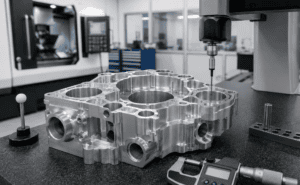
Manufacturers may use inspection equipment such as CMM machines, height gauges, micrometers, calipers, surface roughness testers, and optical inspection systems to verify part quality.
For aerospace customers, documentation is also important. A reliable supplier should be able to provide material certificates, inspection reports, and production traceability when required.
Benefits of CNC Machining for Aerospace Manufacturers
CNC machining offers many advantages for aerospace manufacturers and engineering teams.
First, it provides high accuracy and repeatability. This is essential for parts that must fit into complex assemblies.
Second, CNC machining supports a wide range of materials, including aluminum, titanium, stainless steel, Inconel, and engineering plastics.
Third, CNC machining is suitable for both prototyping and production. Engineers can quickly test and improve designs before moving to larger manufacturing batches.
Fourth, CNC machining can produce complex parts without expensive molds or tooling. This is especially useful for low-volume aerospace projects or customized components.
Finally, CNC machining can shorten product development cycles. With advanced programming, skilled operators, and modern equipment, manufacturers can produce high-quality parts with faster lead times.
Challenges in Aerospace CNC Machining
Although CNC machining is highly effective, aerospace parts can be difficult to manufacture. Some common challenges include:
- Machining hard materials such as titanium and Inconel
- Controlling deformation in thin-wall parts
- Maintaining tight tolerances during long machining cycles
- Avoiding surface defects
- Reducing tool wear
- Managing expensive raw materials
- Meeting strict inspection and documentation requirements
Because of these challenges, aerospace CNC machining requires experienced engineers, skilled machinists, advanced equipment, and a strong quality control system.
How to Choose an Aerospace CNC Machining Supplier
Choosing the right supplier is critical for aerospace projects. A qualified CNC machining supplier should have both technical capability and quality management experience.
When selecting a supplier, consider the following factors:
Aerospace Machining Experience
The supplier should understand the requirements of aerospace parts, including tolerance control, material selection, surface finish, and inspection documentation.
Advanced CNC Equipment
A capable supplier should have 3-axis, 4-axis, and 5-axis CNC machining equipment. 5-axis capability is especially important for complex aerospace components.
Material Expertise
The supplier should be experienced in machining aerospace materials such as aluminum, titanium, stainless steel, and nickel-based alloys.
Quality Control Capability
A strong inspection system is essential. The supplier should be able to provide dimensional reports, material certificates, and quality documentation according to project requirements.
Engineering Support
A good CNC machining partner can review drawings, suggest design improvements, optimize machining processes, and help reduce manufacturing risks.
Surface Treatment Support
Many aerospace parts require finishing processes such as anodizing, passivation, polishing, or coating. A supplier with surface treatment support can simplify the production process.
Reliable Lead Time
Aerospace projects often have strict delivery schedules. A reliable supplier should be able to manage production planning and deliver parts on time.
Applications of CNC Machining in Different Aerospace Sectors
CNC machining is used across many areas of the aerospace industry.
In commercial aircraft, CNC machined parts are used in structural systems, interior components, engine systems, and control systems.
In spacecraft and satellites, CNC machining is used to produce lightweight, high-precision parts that can perform reliably in demanding environments.
In defense and military aerospace, CNC machining supports the production of durable components for aircraft, UAVs, radar systems, and other advanced equipment.
In UAV and drone manufacturing, CNC machining is used for frames, motor mounts, housings, and custom lightweight parts.
In aircraft maintenance, CNC machining can also be used to produce replacement parts and repair components when approved by the relevant engineering requirements.
Conclusion
CNC machining plays a key role in aerospace manufacturing by delivering the precision, repeatability, and material flexibility required for critical components. From structural parts and engine components to satellite and UAV parts, it helps produce strong, lightweight, and reliable aerospace solutions.
Choosing the right CNC machining supplier can improve part quality, reduce production risks, and support faster project delivery.
Looking for a reliable aerospace CNC machining partner? Contact us today to discuss your project requirements and get a custom manufacturing solution.
Frequently Asked Questions About Aerospace CNC Machining
1. Why is CNC machining used in aerospace?
CNC machining is used in aerospace because it can produce high-precision parts with tight tolerances, complex shapes, and consistent quality. It is suitable for critical components that require strength, reliability, and dimensional accuracy.
2. What materials are commonly used for aerospace CNC machining?
Common materials include aluminum alloys, titanium alloys, stainless steel, Inconel, nickel-based alloys, and engineering plastics such as PEEK and PTFE.
3. What are the advantages of 5-axis CNC machining for aerospace parts?
5-axis CNC machining can produce complex geometries in fewer setups. This improves accuracy, reduces production time, and is especially useful for curved surfaces, turbine parts, and complex structural components.
4. What quality requirements are important for aerospace CNC parts?
Important requirements include tight tolerance control, material certification, dimensional inspection, surface finish control, traceability, and inspection reports.
5. How do I choose a reliable aerospace CNC machining supplier?
Choose a supplier with aerospace machining experience, advanced CNC equipment, strong quality control, material expertise, engineering support, surface finishing capability, and reliable delivery performance.